Why a Scene Needs More Than a Good Line
Why a scene needs more than a good line: shape dialogue around a concrete aim, resistance, and consequence so each exchange changes what can happen next.
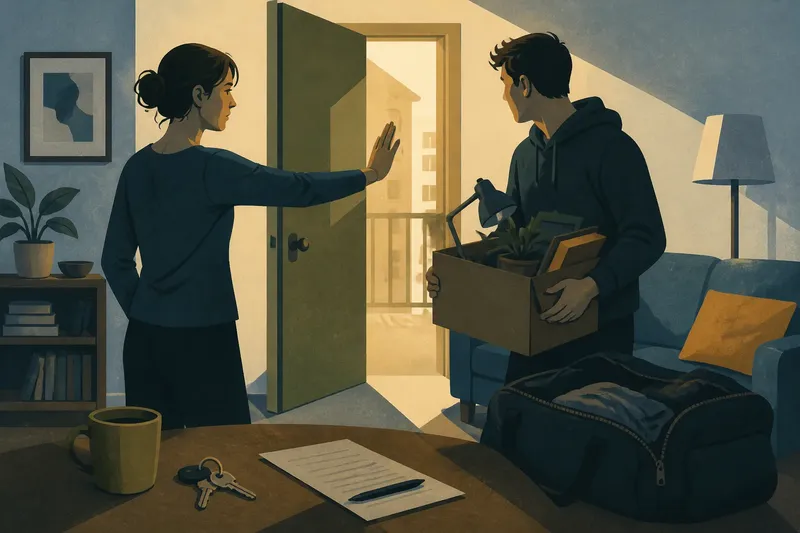
A character says, “I never want to see you again,” and the other person keeps packing. The line sounds final, but the scene has not made anyone respond or choose. Why a scene needs more than a good line is a question of consequence: the words matter when they alter what someone can do next.
A memorable line can sharpen a scene without carrying it. Give the speaker an immediate aim, put something specific in its way, and let the exchange change the terms. Think of the line as a handle on a door: pleasing to touch, but not much use if nothing moves behind it.
Why does a strong line still leave the scene flat?
A line can state a feeling without forcing a decision. It can reveal information without changing anyone’s leverage, or end an argument that never became consequential. The audience hears the sentence but has little reason to anticipate a response.
Dialogue becomes dramatic when it is part of an attempt: persuade, stall, conceal, provoke, bargain, or refuse. The words matter because someone is using them to affect another person. A quiet scene can carry pressure, too. A character trying to keep a visitor from opening a drawer has a playable problem if the visitor is suspicious and the character cannot leave without revealing why.
What does the character want right now?
Write the immediate aim as an action an actor could pursue. “Feel guilty” describes a condition; “make her admit she read the letter” describes an attempt. “Talk about the past” is broad; “convince him to wait for the last bus” gives the scene a direction.
The aim should be specific enough to fail. Ask what observable response would count as progress: a signature, a changed subject, a door left open, or agreement to wait. The response need not be spoken. A character who wants forgiveness across a film may want only a ride home in this particular exchange. That smaller request gives the actor something to do besides deliver a speech about regret.
What makes the other person resist?
Resistance is not simply a difficult personality. It is what actively blocks the aim: the other person wants the opposite, recognizes the tactic, or will cooperate only on different terms. A rule, object, deadline, or physical arrangement can also matter if it changes what the characters can do.
Make the resistance belong to the relationship. If a parent wants a signature and an adult child wants to know why the form was hidden, the form is less important than the unequal access to information. A clever insult may raise the temperature for a moment, but it does not replace that conflict.
When the scene feels easy, make the resistance more active before adding dialogue. The other character might ask a question the speaker cannot answer honestly, give a reason to leave, or insist on a condition. The speaker then has to adapt. Charm, pressure, and a partial confession can form a sequence of tactics without turning either character into a fool.
How can the ending change the next move?
A scene’s result need not be a twist. A refusal can become a conditional offer. Someone can leave with the envelope, keep the key, or decide not to ask the question they came to ask. The encounter should alter the situation, even if the shift is small.
Compare the opening and ending. If the characters know the same things, hold the same positions, and face the same choices, the scene may have atmosphere but no turn. That can be deliberate, but then its timing or texture should serve the surrounding sequence. Otherwise, give the exchange a consequence that changes the next move.
Say a tenant wants a landlord to delay a visit because a roommate is staying without permission. The landlord insists on seeing a leak. The tenant first claims that repairs are underway; the landlord replies that the plumber has already been there. The tenant then admits the roommate is present and asks for one evening to explain the situation. The expected result is a shift from denial to a negotiated request, though the landlord may still refuse. The scene’s terms have changed: the question is now whether to grant time, not whether the tenant can sustain the first story.
Why do characters keep explaining instead of acting?
Exposition often takes over when the writer knows the backstory but has not decided what the characters want from each other. They recount facts both people already know, or explain emotions instead of risking a move. Cut information the scene does not need at that moment.
Attach necessary information to an attempt. A character can mention an unpaid bill to make someone stay, deny a meeting to protect a third person, or ask about a date to test whether a story holds. The information now changes the listener’s options; it is not cargo placed in a line of dialogue.
Physical business is not an automatic cure. Folding a napkin while explaining a plan is still explaining a plan. The action matters when it joins the contest: a character hides a name beneath the napkin, reaches for a phone, or stops packing when the other person changes the subject. The prop gives the choice a visible edge.
How can you diagnose a scene that still feels talky?
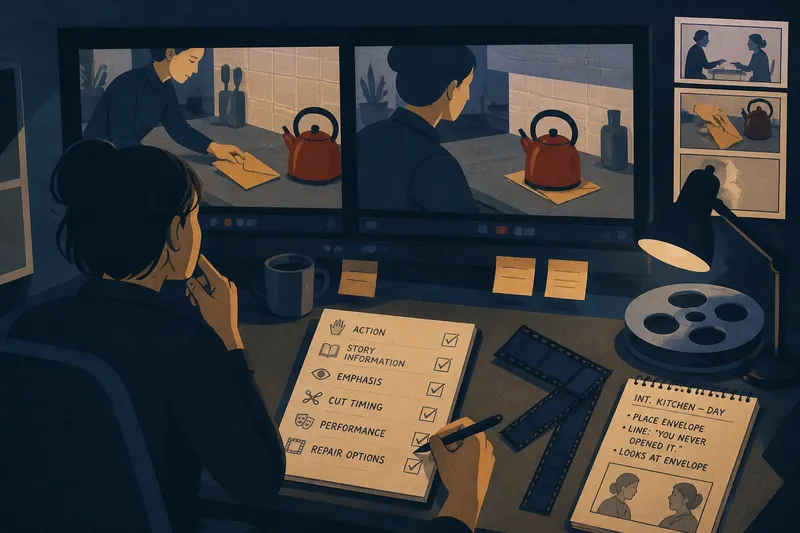
Read the scene once without polishing its language. Mark the aim, the resistance, and the change. Then use each observation to make a specific revision decision:
- Aim: Check whether the viewpoint character wants a concrete response. If the aim is only a feeling, then rewrite it as an action the character can attempt; otherwise, keep it and verify that the scene gives the attempt room to fail.
- Resistance: Check whether another person or circumstance blocks that action. If the obstacle is only “they are upset,” then give the other character a competing aim, withheld answer, or condition; otherwise, keep the active resistance and test whether it forces a change in tactic.
- Tactics: Mark each attempt to influence the other character. If every attempt uses the same approach, then change the approach or let the character stop; otherwise, keep the variation and remove any tactic that has no effect on the exchange.
- Information: Circle lines that explain background. If a line does not affect a decision, expose a risk, or alter the listener’s response, then cut or relocate it; otherwise, keep it and make its function legible through the response it provokes.
- Ending: State what is different by the last beat. If nothing changes, then revise the turn or establish why the scene’s stillness serves the neighboring scenes; otherwise, keep the consequence and make sure the next scene can use it.
- Favorite line: Temporarily remove the line you most want to keep. If the scene still works, then keep the line only if it adds character or rhythm; if the scene collapses, then repair the aim, resistance, or consequence it was carrying alone.
For a fully worked invented situation, imagine a screenwriter has a diner scene in which Mara asks her brother Eli to sign a release form, while he keeps describing their childhood. The starting inputs are the form, Eli’s refusal to sign without knowing where their father will live, and Mara’s wish to leave before the diner closes. First, Mara slides the form across the table; Eli does not touch it, so the observable result is a blocked request. Next, she says the family has already chosen a place; Eli asks for the address, exposing that she does not know it. She then admits she agreed to the release before checking the arrangement and asks him to wait until morning. Eli writes his phone number on the form but leaves the signature line blank. The resulting decision is a conditional pause, not consent: Mara gets time to verify the address, while Eli keeps control over the release. That ending gives the next scene a concrete task and lets the emotional disagreement remain unresolved.
What questions come up when repairing a scene?
Can a scene work without an argument?
Yes. Characters doing a shared task can disagree about how to do it, what it means, or who should take responsibility. Cooperation can turn into resistance when new information changes the terms.
Does every scene need a clear winner?
No. One character may get what they asked for while losing trust, time, or access. A draw still changes the relationship if both people leave with different expectations or a new condition.
Should the character state the goal aloud?
No. A character can conceal the aim, misunderstand it, or pursue it through an ordinary question. The writer should know what the attempt is, even when the character cannot admit it.
How can a scene reveal character without a speech?
Make the revelation emerge from a choice under pressure. Values become legible when a character decides what to protect, concede, or risk, not only when they describe themselves.
How do you keep the dialogue alive after the repair?
Once the scene has a working shape, revise the language for character and rhythm. Let one person answer the question they wish had been asked. Let another repeat a phrase after its meaning has shifted. Remove a line that merely states what an action already shows, but keep an unusual detail if it reveals how this particular person sees the problem.
Do not make every exchange a transparent contest. People evade their aims, misunderstand offers, and talk around a subject for reasons that matter to them. The underlying aim gives the writer control without requiring the character to announce it.
Why a scene needs more than a good line comes down to the connection between speech and consequence. Give someone an immediate aim, make the other person’s resistance force an adjustment, and let the encounter change what can happen next. Then the line can land as part of the scene, rather than serving as a substitute for one.